

Deep Tissue Massage: Benefits, Uses and Finding Treatment

Muscle tightness, persistent aches and stiffness can make everyday activities feel harder than they should. Whether you spend long hours at a desk, train regularly at the gym or struggle with recurring back and shoulder tension, deep tissue massage may help you feel more comfortable and move more freely.
What Is a Deep Tissue Massage?
Deep tissue massage is a hands-on technique that uses slow, sustained pressure to target deeper layers of muscle and connective tissue. Unlike a relaxation massage, which generally uses gentler strokes, it focuses on areas of persistent tension and muscular discomfort.
A therapist may use their fingers, knuckles, thumbs or forearms to apply controlled pressure to specific areas.
Deep tissue massage may be considered for:
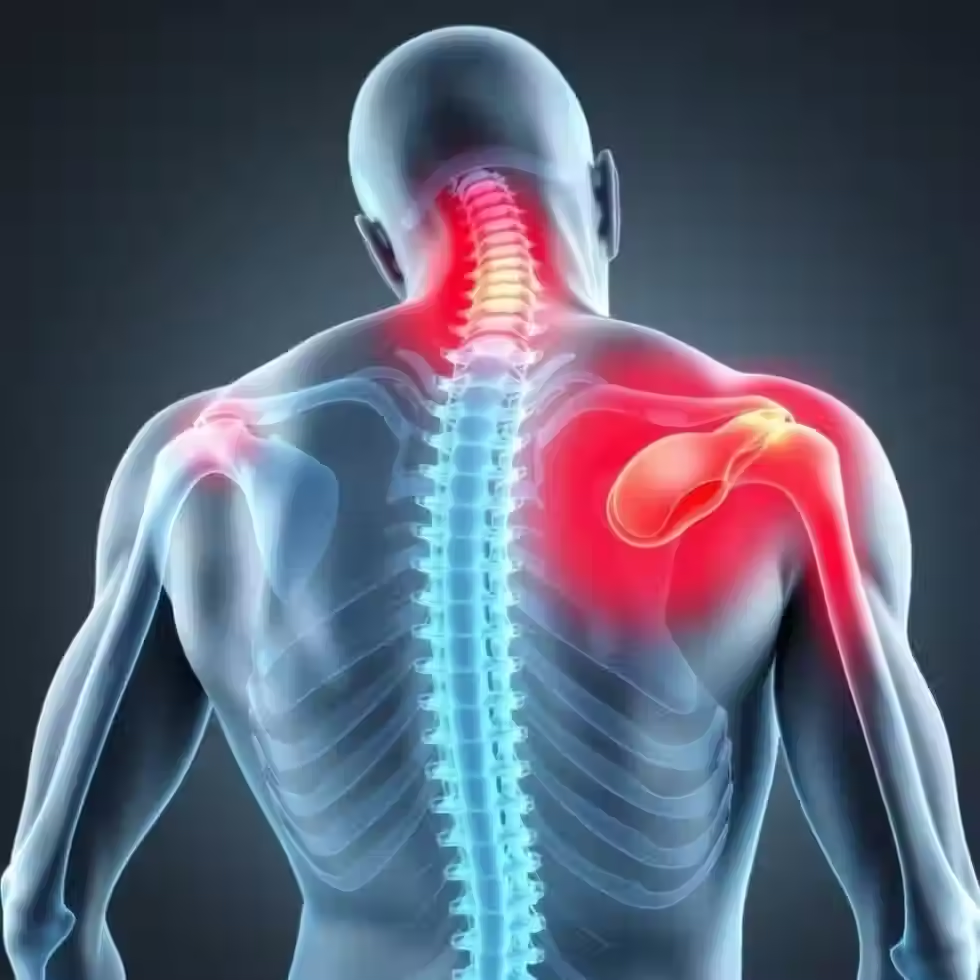
· Tight muscles in the neck, shoulders and back.
· Muscular discomfort associated with repetitive activities.
· Stiffness following demanding physical activity.
· Certain types of persistent musculoskeletal pain.
Treatment should be adapted to your symptoms, comfort level and medical history. More pressure does not automatically mean better results.
What Does Deep Tissue Massage Do?
Deep tissue massage works by applying controlled pressure to soft tissues, potentially helping reduce the sensation of muscle tension and improve comfort during movement.
For example, someone who spends most of the working day at a computer may develop persistent shoulder tightness. Targeted massage could help ease that discomfort, while movement breaks, ergonomic changes and strengthening exercises address contributing factors.
Similarly, an active person experiencing muscular soreness after training may find massage helpful as part of their recovery routine.
However, massage does not correct every underlying cause of pain. If symptoms relate to a nerve problem, significant injury or another medical condition, an appropriate assessment is needed before deciding on treatment.
Benefits of Deep Tissue Massage
The potential benefits of deep tissue massage depend on the individual and the cause of their symptoms. Some people experience short-term relief, while others notice less benefit.
Possible benefits include:
· Reduced muscular discomfort: Massage may help ease certain types of neck, shoulder and back pain.
· Less perceived tension: Targeted pressure can help muscles feel less tight.
· Improved movement comfort: Reducing discomfort may make everyday movements easier.
· Support for physical recovery: Massage may complement an appropriate recovery programme following demanding activity.
· Relaxation: Although the pressure can be firm, some people find the treatment relaxing.
Research supports potential benefits of massage for some pain conditions, but results vary, and evidence does not establish that deep tissue massage is the best option for every problem. The National Center for Complementary and Integrative Health also highlights the importance of understanding its limitations and risks.
Is Deep Tissue Massage Good for You?
For many healthy adults, professionally delivered massage can be a useful option for managing muscular discomfort. However, is deep tissue massage healthy for everyone? No.
Firm pressure may be unsuitable if you have certain medical conditions or injuries. Speak to a healthcare professional before treatment if you take blood-thinning medication, bruise easily, have osteoporosis, are recovering from surgery, are pregnant or have a significant medical condition.
Avoid massage over an area with an unexplained swelling, suspected blood clot, open wound or acute injury until it has been assessed.
Deep tissue massage should feel manageable, not unbearable. Tell your therapist immediately if you experience sharp pain, tingling, numbness or unusual discomfort. Severe or worsening symptoms after treatment warrant medical advice.
How Often Should You Get a Deep Tissue Massage?
There is no universal schedule. The right frequency depends on your symptoms, goals, response to treatment and overall health.
Some people may benefit from occasional sessions when muscular tension returns. Others with persistent discomfort may need a broader treatment plan that includes physiotherapy and exercise rather than repeated massage alone.
Start with an assessment if your pain is recurring or affecting daily activities. Your clinician can help determine whether massage is appropriate and when a follow-up session might be useful.
What to Do After a Deep Tissue Massage
Mild tenderness can occur after treatment, particularly when firmer pressure has been used. To look after yourself afterwards:
· Drink water according to your usual needs.
· Keep moving gently rather than remaining inactive for long periods.
· Avoid strenuous exercise if the treated area feels particularly sore.
· Follow any individual advice or exercises provided by your clinician.
· Allow time for recovery before considering another session.
Where Can You Find Deep Tissue Massage in Preston?
If you are searching online for deep tissue massage near me or deep tissue massage Preston, look beyond price and convenience. Check the practitioner's qualifications, experience, approach to safety and willingness to adapt treatment to your needs.
Activliving Physiotherapy provides physiotherapy and manual therapy, including soft-tissue treatment. Its approach combines hands-on care with assessment and rehabilitation where appropriate.
Explore the clinic's therapeutic services to learn more about manual therapy, or visit its physiotherapy services page for information about treatment options.
Frequently Asked Questions
1. What is a deep tissue massage used for?
It is commonly used to address muscular tightness and certain types of musculoskeletal discomfort, particularly in the back, neck and shoulders.
2. Is deep tissue massage supposed to hurt?
It can feel intense, but it should remain tolerable. Sharp or severe pain is not a sign that the treatment is working better.
3. How often should you get a deep tissue massage?
Frequency depends on your symptoms, response and treatment goals. There is no single schedule suitable for everyone.
4. What should you do after a deep tissue massage?
Resume gentle activity, avoid pushing through significant soreness and follow your clinician's advice. Seek medical guidance if symptoms worsen.
5. Is deep tissue massage good for back pain?
It may help some people with muscular back pain, but it cannot address every cause. Persistent, severe or unexplained back pain should be assessed.
Book a Physiotherapy Assessment in Preston
Dealing with persistent muscle tension or discomfort? Contact Activliving Physiotherapy to discuss your symptoms and find out whether manual therapy or another physiotherapy approach may be suitable for you.
The aim is not simply to relieve discomfort temporarily, but to help you move with greater confidence and manage the factors contributing to your symptoms.


Comments