

Understanding Reiki: Can a Traditional Practice Provide Real Relief?
When we experience persistent muscle tension, high stress, or general physical discomfort, our natural instinct is to look for clinical, science-backed solutions. We visit a physiotherapist, adjust our desk setup, or focus on targeted strength exercises. This clinical approach is entirely logical; we want to understand the mechanics of why our body feels the way it does and use proven methods to fix it.
Yet, even when following a structured care plan, many people find themselves seeking complementary ways to help their bodies and minds unwind. In recent years, as the reiki UK wellness scene has grown, traditional therapies have gained popularity. Because it doesn't involve the standard tools of clinical medicine, it is naturally met with a healthy dose of skepticism. Is reiki real, or is the relief just a trick of the mind?
Separating the Practice from the Placebo
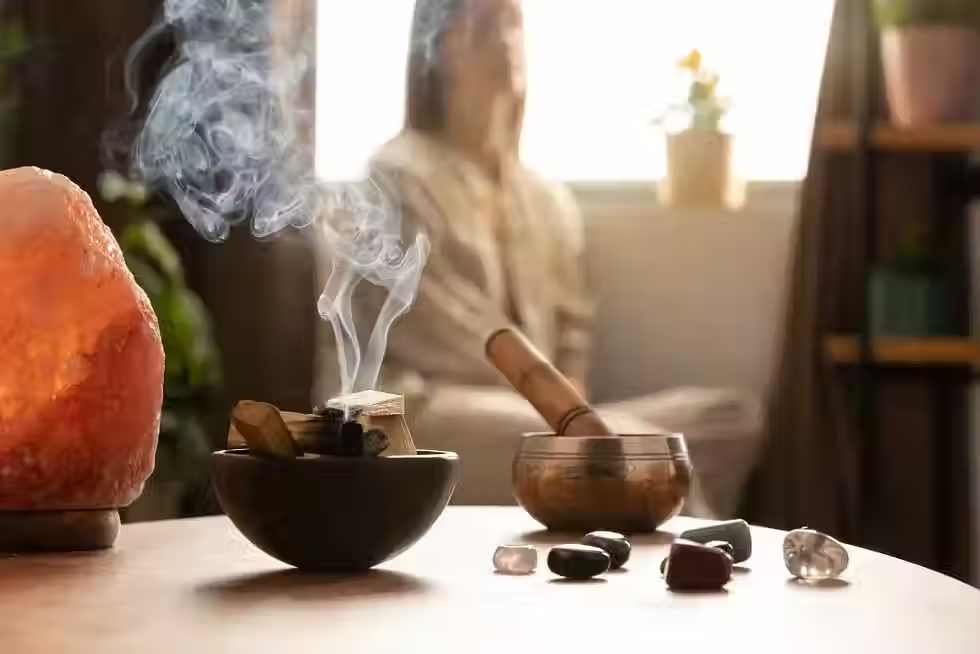
The most common and valid critique of alternative treatments is the placebo effect. Think about a typical session with an energy healer: you are usually placed in a dimly lit room with soft music playing, a pleasant aroma in the air, and a quiet space to lie down for an hour. Anyone would feel significantly more relaxed after that. The environment itself does a lot of the heavy lifting.
So, does reiki really work when we take away the spa-like atmosphere? To understand if an energy healing technique has value on its own, modern clinical observers isolate the practice from the environment. By removing variables like relaxing music, aromatherapy, and mood lighting, practitioners are tested to see if the technique holds up. When this healing therapy is observed in a standard, unembellished room, we can look at the results much more objectively.
What Actually Happens During a Reiki Session?
When you look past the modern aesthetics, what are the actual, observable effects of a session? Based on controlled observations involving first-time recipients, here are 5 benefits of reiki that point toward consistent, physical realities:
Nervous System Shift: Participants have demonstrated deep relaxation even in the presence of background noise and environmental disturbances.
Physical Sensations: Individuals often report unexpected, distinct feelings of heat or warmth during the session.
Emotional Unwinding: Many people experience a noticeable lift in their mood and a general sense of emotional relief.
High Retention: In controlled settings, 97% of first-time recipients wanted another treatment and said they would recommend it.
Increased Curiosity: Furthermore, 75% of participants wanted to learn more about the system after their initial experience.
These effects suggest that taking time for a dedicated, quiet practice can have a direct, calming impact on our physiology, helping to lower the everyday stress that heavily contributes to physical tension.
How It Fits Into Your Overall Recovery
It is important to be completely clear about the role of alternative therapies: they are complementary tools, not a replacement for clinical medical care.
If you are recovering from an injury, managing a joint issue, or dealing with structural back pain, you need evidence-based treatment like physiotherapy or targeted exercise. While these clinical therapies handle the actual mechanics of your muscles and joints, the benefits of reiki focus entirely on the mental and nervous system aspects of your well-being.
The two approaches can actually work very well together. High stress causes the body to hold onto tension, which can make physical discomfort feel worse and slow down your body's natural recovery process. By incorporating a practice that lowers your stress levels and calms your mind, you create a much better internal environment for your body to heal and respond to your active recovery routine.
Finding Your Balance
Ultimately, there is no single path to feeling your best. Whether the relief comes from the traditional practice itself or simply from the valuable benefit of dedicating an hour to completely quiet your mind, the resulting deep relaxation is entirely real.
Managing your health isn't just about fixing the physical components; it's about looking after your mental well-being, too. Remember that finding a balanced mix of active clinical care, regular movement, and intentional mental relaxation is one of the best ways to support your daily life and keep your body moving forward.
At Activliving, we provide excellent Physiotherapy in Preston, Lancashire to address chronic joint issues, sports injuries, post surgical rehab, and more conditions. However, we also offer Reiki healing services in UK as an alternative for patients who require topical, soothing relief.
FAQs
1. What exactly is Reiki?
It is a traditional Japanese relaxation technique that uses gentle, non-invasive touch to help calm the mind and nervous system.
2. Can it replace my physiotherapy or medical treatments?
No, it is a complementary practice meant to support your mental relaxation alongside your standard clinical care.
3. What does a typical session feel like?
Most people experience a deep sense of calm, mental quiet, and often a comfortable sensation of warmth.
4. Do I have to believe in alternative medicine for it to help me relax?
No, the primary physical benefit is simply giving your nervous system a quiet, focused space to slow down and rest.
5. How does stress relief help with my physical recovery?
Lowering your stress levels relaxes tight muscles and allows your body to heal more efficiently from physical strain.

Comments